

As a spine health specialist and physical mobility consultant, I spend countless hours working with individuals who suffer from lower back stiffness, compressed intervertebral discs, and sciatic nerve discomfort. Modern routines—characterized by extended hours at desk setups, long commutes, and slouching postures—place immense mechanical stress on the lower back. While in-clinic physical therapy, manual traction, and chiropractic adjustments offer outstanding results, many of my clients find it difficult to maintain frequent clinic visits. Naturally, I am always researching at-home devices to determine which products genuinely replicate clinic-quality care. Recently, I decided to personally test the Back Restore lumbar therapy device over several weeks to evaluate its construction, safety, therapeutic mechanisms, and overall value.
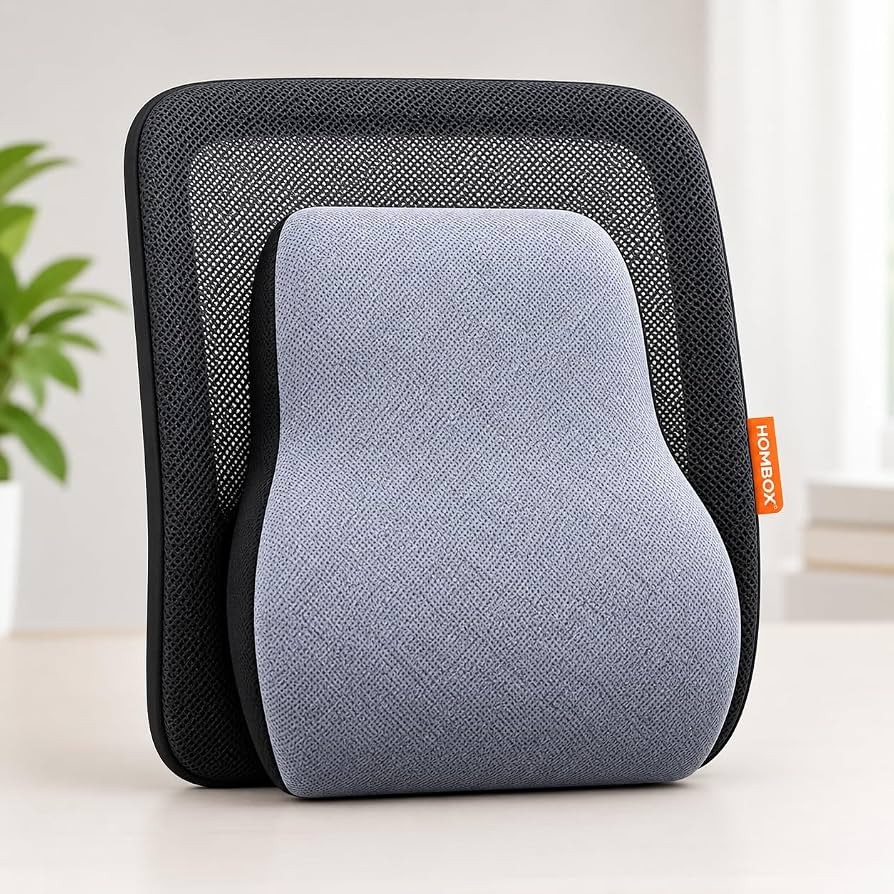
When the Back Restore unit arrived, I was immediately impressed by its sleek design and solid build quality. Unlike cumbersome inversion tables that require substantial floor space or simple foam rollers that offer passive stretch without active intervention, Back Restore integrates three proven therapeutic modalities into a compact unit: dynamic motorized axial traction, deep thermal therapy, and high-frequency vibration massage. Approaching this review with a cautious, evidence-based perspective, I wanted to see if its automated multi-modal performance could truly relieve deep muscular tightness and decompress the spine effectively.
Unpacking the Science Behind Back Restore
What sets Back Restore apart from basic vibrating pads or lumbar support pillows is its synchronized triple-action therapy system. From a physiological perspective, achieving long-term back comfort requires addressing structural disc pressure alongside surrounding muscular tension. Back Restore targets both aspects by utilizing three therapeutic principles working in harmony.
The centerpiece of the device is its motorized dynamic traction mechanism. As you lie over the contoured center arch, an internal elevation chamber rhythmically lifts and lowers your lower back. This action expands restricted intervertebral disc spaces—specifically around the L4-L5 and L5-S1 lumbar segments. This soft, continuous arching action generates a gentle decompressive traction effect that eases pressure on compressed nerve roots while encouraging oxygenation and fluid circulation back into dehydrated discs.
Simultaneously, the device delivers deep-penetrating heat therapy. Thermal therapy is critical during spinal decompression because rigid, cold muscular tissues naturally resist elongation. The soothing warmth relaxes tense lumbar muscles, expanding local blood vessels to boost blood flow and speed up recovery. At the same time, high-frequency neuromuscular vibration works to soothe overactive nerve paths and break up stubborn muscle knots across the lower back. Together, these elements deliver a cohesive, clinic-inspired physical therapy session directly on your carpet, yoga mat, or mattress.
My Hands-On Testing and Clinical Experience
To evaluate the device thoroughly, I integrated Back Restore into my daily personal recovery routine and tested it across various settings. Setting up the device is exceptionally simple. I placed the unit on a firm yoga mat on the floor, connected the power supply, and slowly lowered myself down, positioning the contoured center of the cushion directly under the inward curve of my lumbar spine.
During my initial 15-minute automated treatment, the physical relief was immediate. As the dynamic traction started, I experienced a smooth, controlled motorized lift that elevated my lumbar region into a comfortable stretch. Unlike aggressive manual stretches that can trigger protective muscle guarding, Back Restore operates at a smooth, soothing rhythm. The deep heat began working within two minutes, softening tight lower back tissues, while the rhythmic vibration delivered a soothing acoustic massage that calmed hyperactive lumbar muscles.
By the middle of the session, I could feel a substantial release of tightness in my lower back and gluteal junction. When the automated timer finished, I followed standard back care safety by rolling onto my side before standing up. Once upright, my spine felt noticeably lighter, more flexible, and aligned. Over three weeks of consistent daily 15-minute sessions, I experienced enhanced lumbar mobility, reduced morning tightness, and complete relief from desk-related back fatigue.
Ergonomic Features and Ease of Use
In addition to its therapeutic performance, Back Restore stands out for its ergonomic refinement and user-friendly features. A common drawback of traditional spinal care equipment, such as heavy inversion tables, is that they demand dedicated space and can be difficult or unsafe for users with limited mobility to operate alone. Back Restore solves this problem with its compact, portable footprint. It can easily be stored under a bed or inside a cabinet when not in use.
The included handheld remote controller makes adjusting settings completely effortless. Users do not need to twist or strain their backs to alter settings while lying down. You can select pre-programmed automated routines or manually adjust the traction elevation height, heat intensity, and vibration modes according to your personal comfort level. This flexibility ensures that whether someone requires gentle passive support or a more intensive dynamic decompression stretch, the experience can be tailored precisely to their needs.
Who Will Benefit Most from This Lumbar Device?
Throughout my testing phase, I considered which groups of individuals would gain the greatest advantage from using Back Restore regularly. This device is ideally suited for office workers, remote professionals, long-distance drivers, and anyone who spends extended hours sitting down. Sitting places up to 140% more structural pressure on the lumbar spine than standing, and Back Restore acts as a daily countermeasure to reverse that chronic compression.
Additionally, it serves as a valuable recovery tool for active individuals and athletes dealing with lumbar fatigue after demanding workouts. It is equally beneficial for adults coping with age-related stiffness, mild-to-moderate sciatic nerve discomfort, or poor posture habits. Having a reliable, non-invasive therapy device at home empowers individuals to manage their spinal wellness proactively without relying exclusively on frequent clinical visits or over-the-counter pain medications.
Final Verdict: Is Back Restore Worth Your Investment?
As a health professional who scrutinizes wellness claims against real physiological outcomes, I am thoroughly impressed by what Back Restore brings to home back care. It effectively bridges the gap between expensive clinical treatments and convenient home recovery. By combining motorized dynamic traction, deep thermal heat, and neuromuscular vibration, it provides a comprehensive environment for spinal decompression, muscle relaxation, and posture support.
If you are looking for a reliable, non-invasive device to soothe lower back tightness, restore mobility, and protect your long-term lumbar health, this device represents an excellent investment in your daily well-being. Based on my clinical experience and personal testing, Back Restore is worth buying for anyone ready to experience lasting spinal comfort and daily physical freedom.
Where to Buy Back Restore
Finding a reliable source for your daily lower back pain relief needs is crucial, which is why consumers should visit the official store of Back Restore. By making your purchase through the authorized channel, you secure the full manufacturer guarantee, valid customer return policies, and the latest product upgrades. Avoid second-hand sellers and ensure your personal health investment is backed by genuine safety standards and verified product specs.