

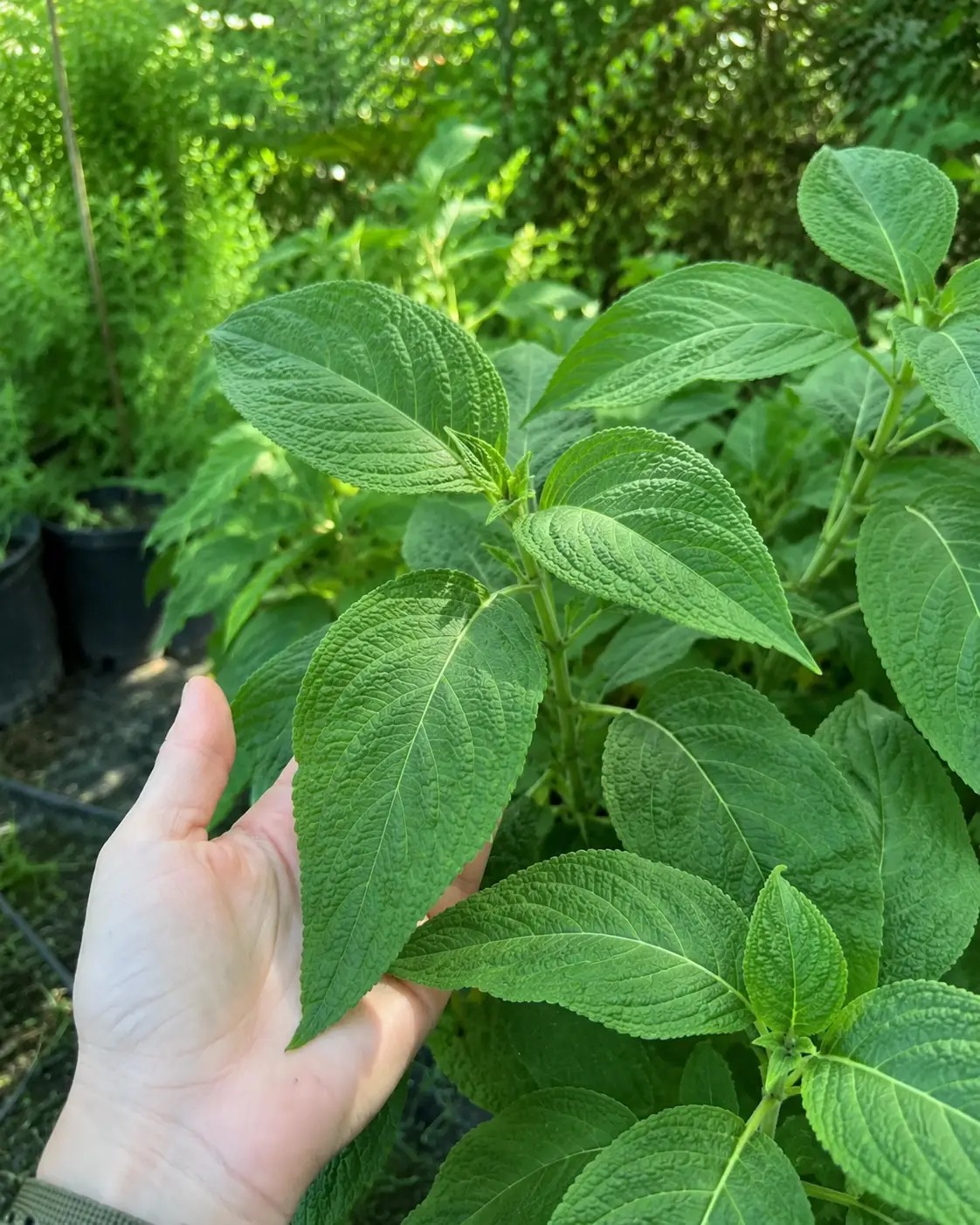
The journey of Salvia divinorum from being a sacred plant of the Mazatec people in Oaxaca to being a plant of modern botanical and scientific interest is an unusual one. It is currently a topic in ethnobotany and plant science and pharmacology. The discovery of salvinorin A and the story of its discovery would be inextricably tied to traditional knowledge. Its cultural history and very peculiar chemistry has made the plant stand out and therefore attracted attention well beyond its native environment.
Grounded in Mazatec Tradition
Salvia divinorum has been an important plant to the Mazatec people of Mexico for generations. Its leaves were traditionally used in healing and divination rituals. According to historical research the plant has been known as hojas de la Pastora. The researchers also noted its function in aiding healers to arrive at insight into the causes of illness. The traditional context is important in the discussion of the plant, as its history started off as a part of a living culture, not as a modern recreational curiosity.
The Traditional Use of Indigenous Knowledge and Botanical Recognition
Interest among scientists grew during the 20th century. During his research in Mexico, ethnobotanist R. Gordon Wasson came across knowledge of the plant. A flowering specimen was collected in 1962 by Wasson and Albert Hofmann. This contributed to the incorporation of the plant into modern botanical research. Presently, Kew Science recognizes S. divinorum as an accepted species in the mint family (Lamiaceae). It is known to be native to Oaxaca in Mexico.
Tackling the Chemistry That Changed the Conversation
As scientists started to research the plant’s chemistry, it got even more interesting. It turned out to be salvinorin A, a substance which is the main psychoactive compound in the plant. It was discovered through research to be a unique diterpene that has a strong affinity for kappa opioid receptors but wasn’t a form of nitrogen. It is this unusual mechanism that made Salvia divinorum an important subject in pharmacological research. Research on salvinorin A has been conducted in the areas of pain perception and neurological processes. Such investigations have also sparked interest in investigating related compounds that may possess beneficial properties that do not result in strong psychoactive effects.
This is a Modern Botanical Curiosity
The Internet changed the face of the species. The knowledge of its chemistry gained widespread popularity, and the plant appeared in the general literature. This also led to searches for Salvia Divinorum plants for sale and a rise in interest in these plants online. Its visibility was boosted by the actions of botanical sellers and enthusiasts, who brought it to the attention of individuals unfamiliar with its traditional history. Meanwhile, scientific assessments have reiterated the need for more research into its pharmacology and potential risks.