

Foot pain can complicate everyday life, slowing routines and making each step feel more demanding. For those dealing with heel discomfort, the treatment for plantar fasciitis may seem overwhelming. The challenge often lies in organising these steps into a practical plan. This is where guidance from a foot doctor becomes valuable. Through structured assessments and precise recommendations, podiatric care simplifies a complex condition into manageable, clear workflows.
Why Plantar Fasciitis Feels So Overwhelming
Plantar fasciitis affects the band of tissue running along the bottom of the foot, typically causing sharp or persistent heel pain. Many individuals are unsure where to begin because the condition requires multiple steps: rest, stretching, footwear updates, lifestyle adjustments, and sometimes clinical therapies. When handled independently, these elements feel scattered and confusing.
A foot doctor helps consolidate these steps into a structured care plan. Effective treatment for plantar fasciitis begins with identifying the underlying strain patterns. These may involve tight calf muscles, sudden activity increases, long periods of standing, or biomechanical imbalances. Once the root cause is identified, the treatment workflow becomes more manageable and less overwhelming.
Simplifying Diagnosis Through a Clear Assessment Process
Complexity often starts with uncertainty. People may confuse plantar fasciitis with bruising, tendon irritation, or nerve-related discomfort. A clinical assessment by a foot doctor simplifies this immediately by identifying the precise source of pain.
Physical examination, mobility testing, and palpation of the heel help confirm plantar fascia involvement. When the diagnosis is clear, the treatment for plantar fasciitis becomes more straightforward because it eliminates unnecessary steps and focuses on what truly matters.
Harnessing Shockwave Therapy to Streamline Recovery
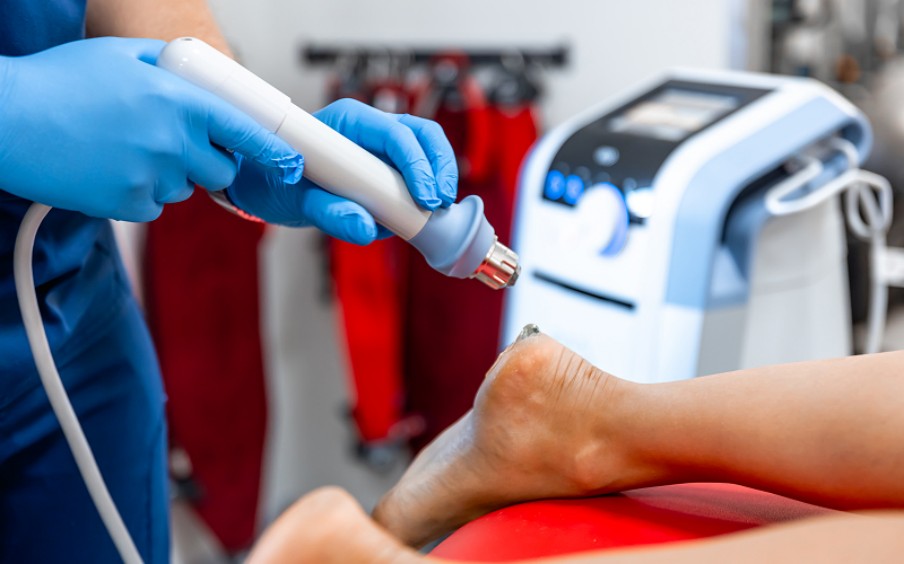
Shockwave therapy is one of the structured clinical options for persistent plantar fasciitis. This approach simplifies recovery by addressing the issue directly when other methods do not provide adequate relief.
Shockwave therapy uses high-energy acoustic waves to stimulate the body’s natural healing response. It improves circulation and reduces pain by encouraging tissue regeneration.
Instead of juggling multiple trial-and-error solutions, this method offers a more concentrated treatment for plantar fasciitis, especially under guidance from a foot doctor. Patients often appreciate this because the workflow becomes clear: attend scheduled sessions, follow supporting exercises, and monitor progress with professional oversight.
Creating Daily Routines That Reduce Stress on the Feet
Even outside the clinic, practical routines simplify healing. Many individuals unknowingly maintain habits that strain the fascia, prolonging pain. Small adjustments recommended by a foot doctor contribute to more efficient treatment for plantar fasciitis.
These habits prevent reinjury and distribute pressure more evenly. The key is consistency rather than intensity. When routines are simple and manageable, people stay committed, leading to faster improvements.
Strengthening Exercises Made Accessible
Heel pain often improves significantly when strengthening routines become part of daily life. However, many people abandon exercise because it seems complicated. A foot doctor simplifies this by demonstrating easy-to-follow movements such as towel curls, calf raises, and arch-supporting foot exercises.
Clinics emphasise progressive activation rather than overly strenuous routines. This structured approach helps individuals maintain discipline without feeling overwhelmed. It’s a streamlined workflow: start small, stay steady, and avoid unnecessary strain.
Using Footwear as a Workflow Tool, Not an Afterthought
Footwear often becomes the hidden factor in plantar fasciitis. Wearing thin soles, flat shoes, or overly worn trainers increases pressure on the heel. Many people attempt treatment for plantar fasciitis without addressing footwear, which disrupts progress.
A foot doctor reviews patterns of wear, gait mechanics, and arch shape to recommend better footwear options. This insight simplifies recovery by preventing repetitive stress. Changing shoes may seem minor, but it supports its role in reducing heel pain severity.
Tracking Progress Without Overcomplicating the Process
Recovery varies widely among individuals, making self-evaluation challenging. Some expect quick results, while others worry about slow improvement. A structured monitoring process simplifies expectations.
A foot doctor may track progress through pain scales, mobility assessments, and session intervals. Rather than guessing whether the treatment for plantar fasciitis is working, clients gain clarity about healing patterns and necessary adjustments. This approach prevents frustration and keeps recovery on course.
Conclusion
Plantar fasciitis feels complex until someone helps break it down. With a structured approach guided by a foot doctor, the treatment for plantar fasciitis becomes clearer and more manageable. Diagnosis becomes simpler, daily routines become purposeful, and therapies fit into an organised workflow that supports consistent healing. When recovery no longer feels chaotic, individuals regain confidence in their steps and feel more in control of their movement.
What would your mornings feel like without the first-step heel pain? Contact Fine Podiatry Clinic and explore the possibilities today.