

Disclaimer: The information provided in this article is for educational and informational purposes only. It does not constitute professional medical advice, diagnosis, or treatment. Always consult a qualified healthcare provider or addiction specialist regarding any questions or concerns about substance use disorders.
The night before entering treatment is usually entirely sleepless. Your mind races with cinematic, terrifying images of cold, sterile rooms and punishing isolation. The fear of the unknown is often the heaviest barrier keeping individuals from seeking the help they desperately need. But when the heavy front doors actually close behind you, the reality is far less dramatic and far more profoundly structured. A premier facility does not operate as a prison; it functions as a highly synchronized clinical environment designed to remove the absolute chaos of active addiction and carefully replace it with predictable, healing rhythms.
Reclaiming the Sunrise
Active addiction rarely respects a clock. Your sleep cycle is likely shattered, driven entirely by the pursuit or the crash of the substance. Therefore, the first objective of the day is establishing a rigid biological baseline.
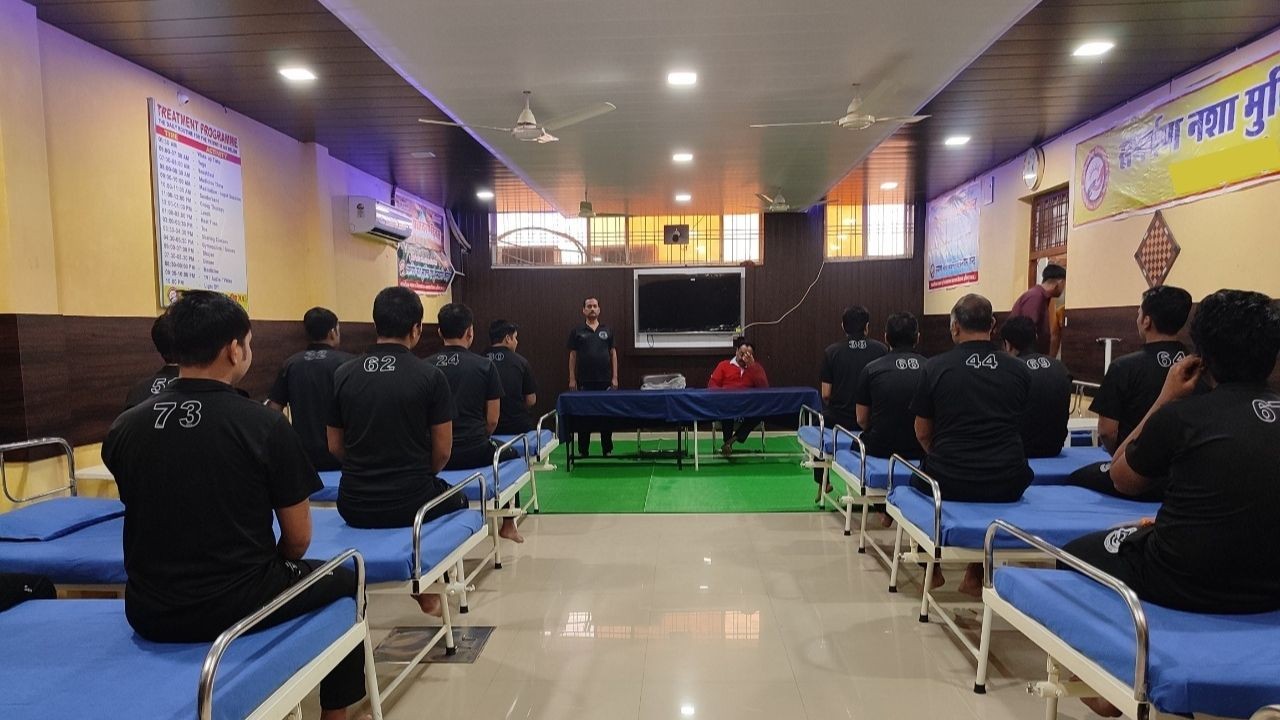
Mornings start early, usually around 6:30 AM. After a medically monitored check-in—ensuring vitals are stable, especially during the volatile early detox phase—the day begins with guided mindfulness or light physical exercise. This is not just a passing wellness trend. Neurologically, starting the day with controlled breathing and physical movement helps lower the extreme baseline anxiety and cortisol levels that accompany early sobriety. You are teaching your nervous system how to wake up without a chemical jumpstart.
The Clinical Core
By mid-morning, the exhausting emotional excavation begins. This is the hardest part of the schedule. You sit in intensive, one-on-one sessions with licensed clinical psychologists to unpack the specific traumas, anxieties, or stressors that drove the dependency.
If you are researching any top-tier vyasan mukti kendra India wide, you will find that they prioritize this evidence-based cognitive therapy over mere physical isolation. You are not just sitting in a room thinking about your past mistakes; you are actively dismantling your psychological triggers alongside a medical professional. The objective is to map out the exact emotional tripwires that lead to a craving, so you can catch them before they ignite.
The Power of the Group
Lunch is communal, focused strictly on nutritional rebuilding. Addiction severely ravages the body’s digestive and immune systems, making high-density nutrition a strict medical requirement.
Post-lunch hours are heavily dedicated to group therapy. This is where the profound, crushing isolation of the disease begins to finally crack. Whether you are at a remote retreat or a dedicated vyasan mukti kendra mumbai, sitting in a circle with people who share your exact fears completely strips away the toxic shame. You hear your own darkest thoughts spoken aloud by a stranger, and you realize you are not uniquely broken.
The Antidote to Chaos
The evening hours are historically the highest-risk trigger period. Facilities aggressively counter this with heavily structured downtime. There are educational seminars on the neurobiology of addiction, followed by recreational activities, journaling, or peer-led reflection meetings.
The daily schedule inside a rehabilitation center is intentionally repetitive and undeniably boring at times. That boredom is the actual medicine. After living a life entirely dictated by the unpredictable, violent pursuit of a substance, a boring, predictable schedule is a profound psychological luxury. You are not just passing time inside those walls; you are painstakingly relearning the forgotten art of simply living a normal, peaceful Tuesday.
Sources Referenced:
- National Institute on Drug Abuse (NIDA) – Research detailing the efficacy of highly structured daily routines in stabilizing the nervous system during early substance withdrawal.
- Substance Abuse and Mental Health Services Administration (SAMHSA) – Clinical guidelines on the critical role of peer-supported group therapy in dismantling the psychological isolation of addiction.
- American Psychological Association (APA) – Data regarding the biological necessity of restoring sleep architecture and nutritional baselines to support cognitive behavioral therapy outcomes.