
Key Takeaways
- Arthritis flares often have triggers such as stress, overuse, or temperature changes
- Early signs like stiffness or warmth signal the need to slow down
- Gentle movement, rest, and diet play a major role in calming joints
- An orthopaedic specialist can identify underlying joint issues early
- An osteoarthritis doctor helps manage long-term joint health and flare prevention
- Small, consistent lifestyle adjustments reduce flare frequency over time
Managing arthritis flares can feel unpredictable. One day, joints behave almost normally; the next, even simple movements bring stiffness or pain. For many Singaporeans juggling work, family, and daily errands, these flare-ups can disrupt routines more than expected. The good news is that arthritis flares are manageable with the right mix of awareness, small lifestyle shifts, and timely medical guidance from an osteoarthritis doctor.
Understanding why flares happen and how to respond when they do can make everyday life noticeably easier.
Understanding Arthritis Flares Without Overthinking It
An arthritis flare is a period when symptoms suddenly worsen. Pain intensifies, joints swell, and stiffness lingers longer than usual. Triggers vary. Some people notice flare-ups after long hours at the desk, others after a busy weekend on their feet. Even changes in weather or stress levels can play a role.
In Singapore’s humid climate, joints may feel heavier or more sensitive, especially in air-conditioned spaces. It sounds odd, but temperature shifts can affect how joints feel. That awareness alone helps explain why some mornings start slower than others.
Knowing when it’s a flare, and not a permanent setback, helps prevent panic and unnecessary strain.
Listening To Early Warning Signs
Flares rarely appear out of nowhere. Subtle signs often show up first. A joint that feels warm, a dull ache that lingers, or stiffness that doesn’t ease after movement can all signal trouble ahead.
Ignoring these signals often leads to bigger problems. That extra walk or skipped rest can push joints over the edge. Instead, scaling back early gives the body space to settle. It’s not about doing nothing; it’s about adjusting before pain takes control.
Many people find it useful to keep mental notes of patterns. Does discomfort follow long screen time? Does standing on MRT platforms worsen knee pain? These small observations matter more than expected.
Daily Habits That Calm Joints Naturally
Managing arthritis flares isn’t only about medication. Daily habits carry surprising weight.
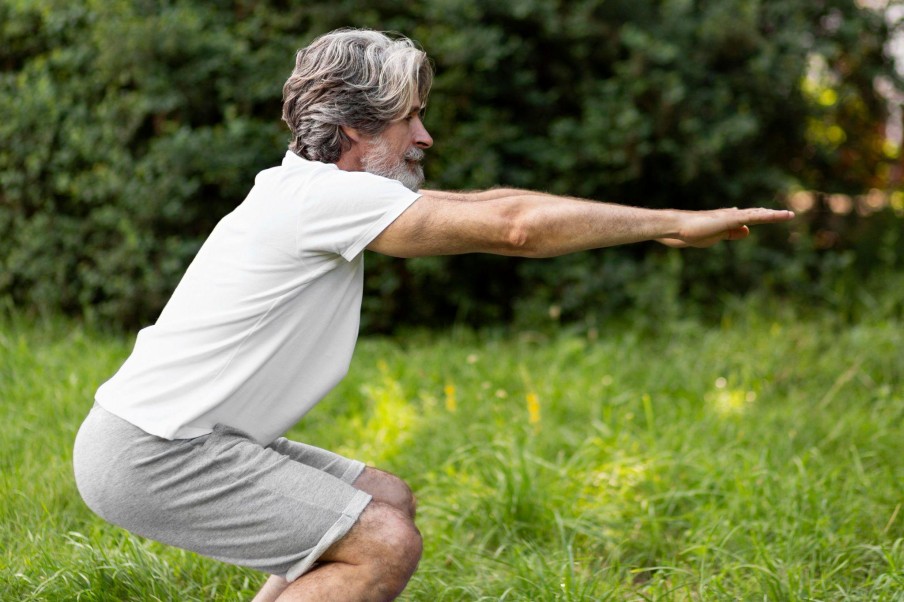
Gentle movement helps. Short walks, light stretching, or water-based exercises keep joints mobile without overloading them. Swimming pools, common across Singapore’s estates, are especially joint-friendly.
Sleep also matters more than most realise. Poor rest increases pain sensitivity, making flares feel sharper. A supportive mattress or pillow can ease pressure on hips, knees, and shoulders.
Diet plays a quieter role. Anti-inflammatory foods like fish, leafy greens, and nuts may reduce symptom intensity over time. Hawker favourites can still fit in, just with balance and moderation.
Stress management counts too. Tight deadlines and constant notifications raise muscle tension, which adds pressure around joints. Simple breathing exercises or short breaks during work hours can help calm the system.
Knowing When Medical Support Is Needed
Lifestyle changes help, but some flares need professional input. Persistent swelling, reduced joint movement, or pain that interferes with sleep are signs it’s time to seek advice.
An orthopaedic specialist can assess whether symptoms are linked to joint damage, inflammation, or mechanical strain. Imaging and physical exams clarify what’s happening beneath the surface, especially when symptoms keep returning.
For those with degenerative joint conditions, an osteoarthritis doctor provides targeted guidance. Treatment plans may include physiotherapy, injections, or medication adjustments that reduce flare frequency. The goal isn’t just pain relief. It’s preserving movement and independence.
Waiting too long often complicates recovery. Early support keeps flares shorter and less disruptive.
Managing Flares At Work And At Home
Arthritis doesn’t pause during office hours. Long meetings, desk work, or standing for extended periods can aggravate joints.
Simple adjustments help. Ergonomic chairs, footrests, or standing breaks reduce strain. At home, pacing chores makes a difference. Instead of tackling everything at once, spreading tasks throughout the day protects joints from overload.
Some people worry that these changes look like weakness. In reality, they reflect smart self-management. Protecting joints now prevents bigger limitations later.
Long-Term Strategies That Actually Stick
Managing arthritis flares isn’t about drastic changes. It’s about consistency. Small habits repeated daily shape how often flares appear and how intense they feel.
Regular check-ins with an orthopaedic specialist ensure treatment stays aligned with changing needs. Over time, joints age, workloads shift, and activity levels change. Care plans should evolve, too.
An osteoarthritis doctor may also suggest long-term joint care strategies that delay progression. It may sound cautious, but prevention often brings the biggest rewards.
The aim isn’t perfection. It’s a balance. Some days will still feel stiff or frustrating. That’s normal. What matters is having tools ready when flares show up.
Conclusion
Arthritis flares can disrupt routines, but they don’t have to control daily life. With early awareness, supportive habits, and timely guidance from an orthopaedic specialist or osteoarthritis doctor, managing flare-ups becomes far more predictable and less intimidating. If recurring joint pain or stiffness is affecting daily activities, contact Dr Bryan Tan to help restore your comfort and confidence.